

Ceramic Fiber Textiles
Ceramic Fiber Yarn
Code prefix CY
Ceramic fiber yarn is spun and wound from aluminosilicate staple, and it is the raw form behind every woven and braided ceramic textile we make: cloth, tape, rope and packing. Glass filament reinforcement gives 650 C continuous service, stainless steel reinforcement gives 1000 C, and both take a 1260 C short excursion. The yarn resists splash from molten aluminium and zinc.
- Continuous
- 1000°C
- 1832 °F
- Short peak
- 1260°C
- 2300 °F
- Construction
- Wire reinforced
- CY
Spec sheets are issued against the confirmed grade, with the test method named on the report.
01 — Product description
Product description
Ceramic fiber yarn is made from aluminosilicate fiber as the main raw material through spinning and winding. Glass fiber or stainless steel wire of types 304, 310 and 316 can be added as reinforcement according to the working temperature and working conditions. Glass fiber reinforced yarn has a continuous use temperature of 650°C and stainless steel wire reinforced yarn 1000°C, with a short-term tolerance temperature of up to 1260°C. The product resists splash erosion from molten aluminium and zinc.
Product parameters
| Item | Value |
|---|---|
| Color | White |
| Short-term tolerance temperature | 1260°C |
| Fiber diameter | 3~5μm |
| Aluminum oxide (Al₂O₃) | 45~48% |
| Silicon dioxide (SiO₂) | 45~55% |
| Iron(III) oxide (Fe₂O₃) | 0.7~1.2% |
| Calcium oxide, sodium chloride (CaO&NaCl) | 0.43% |
| Moisture content | |
| Organic fiber content |
Note: The above chemical composition is the composition of the ceramic fiber base material.
Product specifications
| Product Code | Single Yarn Count (Tex) | Total Count (Tex) | Strands | Reinforcement Material | Working Temperature |
|---|---|---|---|---|---|
| CY525G×2 | 525 | 1080 | 2 | Fiberglass | 650°C |
| CY630G×2 | 630 | 1300 | 2 | Fiberglass | 650°C |
| CY650G×3 | 650 | 2000 | 3 | Fiberglass | 650°C |
| CY830G×2 | 830 | 1710 | 2 | Fiberglass | 650°C |
| CY1000G×2 | 1000 | 2000 | 2 | Fiberglass | 650°C |
| CY830G×3 | 830 | 2490 | 3 | Fiberglass | 650°C |
| CY2000G×1 | 2000 | 2000 | 1 | Fiberglass | 650°C |
| CY2000G×2 | 2000 | 4000 | 2 | Fiberglass | 650°C |
| CY2250G×2 | 2250 | 4500 | 2 | Fiberglass | 650°C |
| CY525S×2 | 525 | 1150 | 2 | Stainless steel wire | 1000°C |
| CY630S×2 | 630 | 1360 | 2 | Stainless steel wire | 1000°C |
| CY650S×3 | 650 | 2100 | 3 | Stainless steel wire | 1000°C |
| CY830S×2 | 830 | 1770 | 2 | Stainless steel wire | 1000°C |
| CY1000S×2 | 1000 | 2100 | 2 | Stainless steel wire | 1000°C |
| CY830S×3 | 830 | 2600 | 3 | Stainless steel wire | 1000°C |
| CY2000S×2 | 2000 | 4100 | 2 | Stainless steel wire | 1000°C |
| CY2250S×2 | 2250 | 4600 | 2 | Stainless steel wire | 1000°C |
Application scope
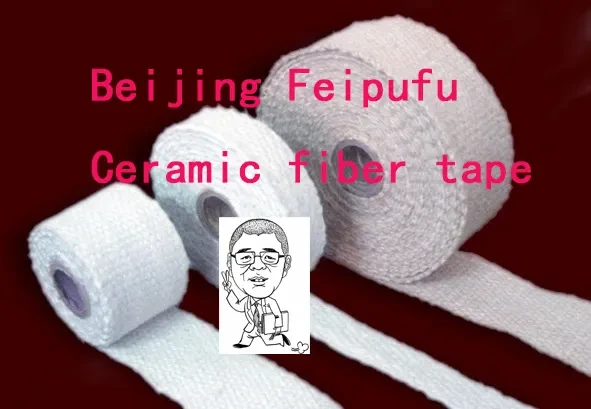
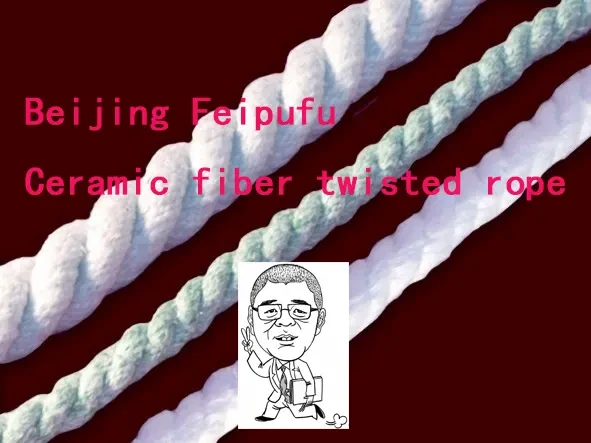
Used for processing and manufacturing refractory thermal insulation sealing products such as ceramic fiber packing, ceramic fiber cloth, ceramic fiber tape, ceramic fiber twisted rope, and ceramic fiber sleeves.
Working condition suitability and restrictions
Different reinforcement materials of this product correspond to different continuous use temperatures. 1260°C is only the short-term tolerance temperature; long-term over-temperature operation is prohibited. The product can only withstand short-term splashing of molten aluminum and zinc, and cannot withstand continuous erosion or immersion by molten metal.
The product is suitable for dry static raw material processing and high-temperature product weaving conditions. It is not suitable for conditions involving strong acid or alkali corrosion, long-term liquid immersion, high-speed medium erosion, or high-frequency severe friction.
Usage precautions
- Cutting, processing, spinning, and weaving of ceramic fiber material generate fiber dust. Maintain ventilation during operation, wear dust-proof protective equipment, and dispose of waste in accordance with local environmental regulations.
- The product contains a small amount of organic fiber. Finished products woven from this material may produce carbonization and smoking during initial high-temperature use, which is a normal process characteristic and does not affect the performance of the finished product.
- Use temperature should be matched according to reinforcement material. Over-temperature and over-working-condition processing and use are strictly prohibited.
- All technical data are for reference only. Actual performance depends on usage conditions. Users should conduct their own suitability testing and comply with relevant safety regulations and standards.
Alternative Names: fiberglass-reinforced ceramic fiber yarn, stainless steel wire-reinforced ceramic fiber yarn
02 — Characteristics
The base of the textile range
Cloth, tape, rope and packing are all built from this yarn, so a yarn specification carries directly into the finished textile.
Four reinforcement options
No reinforcement, glass filament, or 304, 310 and 316 stainless wire, chosen against temperature, load and atmosphere.
Spun, not continuous
Alumina-silica staple is twisted into yarn; the short fiber gives flexibility and conformability rather than high tensile strength.
Splash resistant
The fiber chemistry resists attack from aluminium and zinc splash, which is why the yarn appears in foundry and die-cast protection.
03 — Typical properties
Values typical, confirm against duty
| Test item | Value | Note |
|---|---|---|
| Colour | Natural, uncoated | |
| Continuous, glass | Glass filament reinforced | |
| Continuous, wire | Stainless reinforced | |
| Short excursion | Not a duty rating | |
| Reinforcement | Per duty | |
| Moisture | As delivered | |
| Organic content | Burns out on first heat |
04 — Standard sizes
| Product code | Dimensions |
|---|---|
| CY525G×2 | 525 tex single, 1080 tex total, 2 strands, fiberglass, 650 C |
| CY630G×2 | 630 tex single, 1300 tex total, 2 strands, fiberglass, 650 C |
| CY650G×3 | 650 tex single, 2000 tex total, 3 strands, fiberglass, 650 C |
| CY830G×2 | 830 tex single, 1710 tex total, 2 strands, fiberglass, 650 C |
| CY1000G×2 | 1000 tex single, 2000 tex total, 2 strands, fiberglass, 650 C |
| CY830G×3 | 830 tex single, 2490 tex total, 3 strands, fiberglass, 650 C |
| CY2000G×1 | 2000 tex single, 2000 tex total, 1 strand, fiberglass, 650 C |
| CY2000G×2 | 2000 tex single, 4000 tex total, 2 strands, fiberglass, 650 C |
| CY2250G×2 | 2250 tex single, 4500 tex total, 2 strands, fiberglass, 650 C |
| CY525S×2 | 525 tex single, 1150 tex total, 2 strands, stainless steel wire, 1000 C |
| CY630S×2 | 630 tex single, 1360 tex total, 2 strands, stainless steel wire, 1000 C |
| CY650S×3 | 650 tex single, 2100 tex total, 3 strands, stainless steel wire, 1000 C |
| CY830S×2 | 830 tex single, 1770 tex total, 2 strands, stainless steel wire, 1000 C |
| CY1000S×2 | 1000 tex single, 2100 tex total, 2 strands, stainless steel wire, 1000 C |
| CY830S×3 | 830 tex single, 2600 tex total, 3 strands, stainless steel wire, 1000 C |
| CY2000S×2 | 2000 tex single, 4100 tex total, 2 strands, stainless steel wire, 1000 C |
| CY2250S×2 | 2250 tex single, 4600 tex total, 2 strands, stainless steel wire, 1000 C |
05 — Where it is used
- Weaving cloth and tape
- Braiding rope and packing
- Thermocouple and cable wrapping
- Expansion joint packing
- Gasket and seal reinforcement
Service limits
- Unreinforced and glass reinforced yarns are not interchangeable with wire reinforced yarns at 1000 C.
- Yarn loses strength where the reinforcement is cut; seal the ends before installation.
- Handle with gloves and dust extraction; the fiber is a mechanical irritant.
Related materials
View family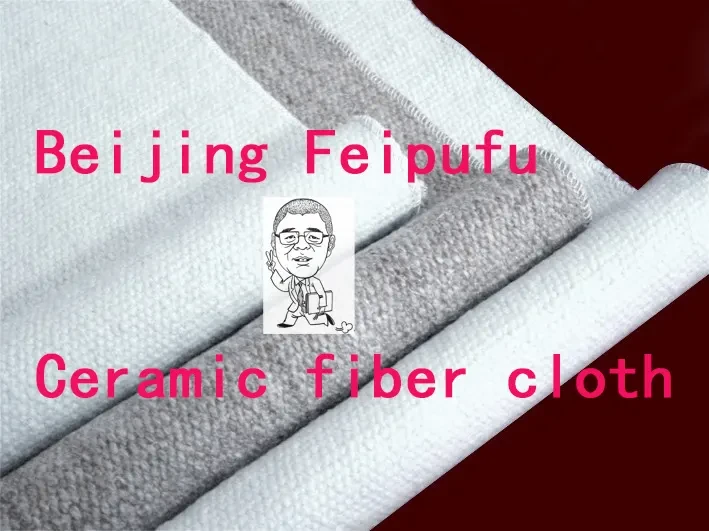
Ceramic Fiber Yarn
CY