
Flexible Fabricated Products
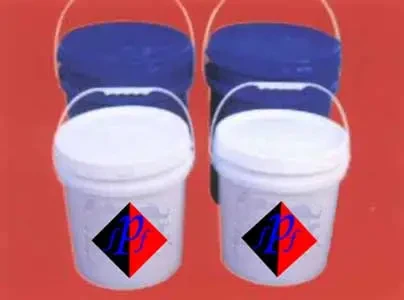
Refractory High-Temperature Adhesive
Code prefix RAD
Refractory adhesive is made from a composite of various inorganic adhesives and refractory additives. It bonds refractory fiber products to materials such as steel, wood and insulation bricks. It suits aluminosilicate fiber blankets and felts, and the construction bonding of high-temperature kiln refractory bricks, and is compatible with a range of substrates so that aluminosilicate fiber products can be fixed to different materials. Application is simple: spread the adhesive evenly with a scraper, fit the substrate and press. Conventional coating thickness is 0.5–1 mm, and the bond sets in less than 24 hours at room temperature. The adhesive has a refractory temperature of 1100 C and reaches Class A1 combustion performance after drying.
- Continuous
- 1000°C
- 1832 °F
- Short peak
- 1100°C
- 2012 °F
- Construction
- Unreinforced
- RAD
Spec sheets are issued against the confirmed grade, with the test method named on the report.
01 — Product description
Bonding fiber to steel, brick and wood
Refractory adhesive is made from a composite of various inorganic adhesives and refractory additives. It bonds refractory fiber products to materials such as steel, wood and insulation bricks, and suits aluminosilicate fiber blankets and felts as well as the construction bonding of high-temperature kiln refractory bricks. The adhesive is compatible with a range of substrates, so aluminosilicate fiber products can be fixed to different materials.
Application is simple: spread the adhesive evenly with a scraper, fit the substrate and press to complete the bond. Conventional coating thickness is controlled at 0.5 mm to 1 mm, and the bond sets in less than 24 hours at room temperature. The adhesive has a refractory temperature of 1100 C and reaches Class A1 combustion performance after drying.
Working condition suitability and restrictions
Suitable for dry high-temperature equipment and kiln insulation bonding. 1100 C is the short-term tolerance temperature, so continuous high-temperature conditions require prior suitability testing. Not suitable for long-term water immersion, strong acid or alkali corrosion, high-frequency vibration or high-speed erosion, which reduce bond stability and lead to detachment.
Usage precautions
- Clean dust, oil and impurities from the substrate and keep the bonding surface dry and clean.
- Apply at the standard thickness; too thick or too thin a layer affects bond strength and high-temperature resistance.
- Cure in a ventilated room-temperature environment and avoid touching or vibrating the bonded parts.
- All technical data are for reference; users should test suitability and follow relevant safety regulations.
02 — Characteristics
Multi-substrate bonding
Bonds aluminosilicate fiber products to steel, wood, insulation brick and refractory brick.
Simple application
Scraper application at 0.5–1 mm, pressed to fit, set in under 24 hours at room temperature.
Refractory and non-combustible
Refractory temperature 1100 C, Class A1 combustion performance after drying.
03 — Typical properties
Values typical, confirm against duty
| Test item | Value | Note |
|---|---|---|
| Refractory temperature | Short-term tolerance | |
| Combustion class | After drying | |
| Coating thickness | Conventional | |
| Setting time | Room temperature | |
| Chemistry | With refractory additives |
04 — Standard sizes
| Product code | Dimensions |
|---|---|
| RAD-PAIL | Pail, standard packaging |
| RAD-CUSTOM | Supply quantity to project |
05 — Where it is used
- Bonding aluminosilicate fiber blanket and felt
- Fixing fiber linings to steel shells
- Kiln refractory brick construction
- High-temperature insulation joints
- Repair of fibre lining edges
Service limits
- 1100 C is the short-term tolerance temperature; continuous high-temperature conditions need prior suitability testing.
- Not for long-term water immersion, strong acid or alkali, high-frequency vibration or high-speed erosion.
- Clean dust, oil and impurities from the substrate and keep the surface dry before application.
- Cure in a ventilated room-temperature environment and avoid touching or vibrating the bonded parts while curing.
Related materials
View family
Refractory High-Temperature Adhesive
RAD