
Flexible Fabricated Products
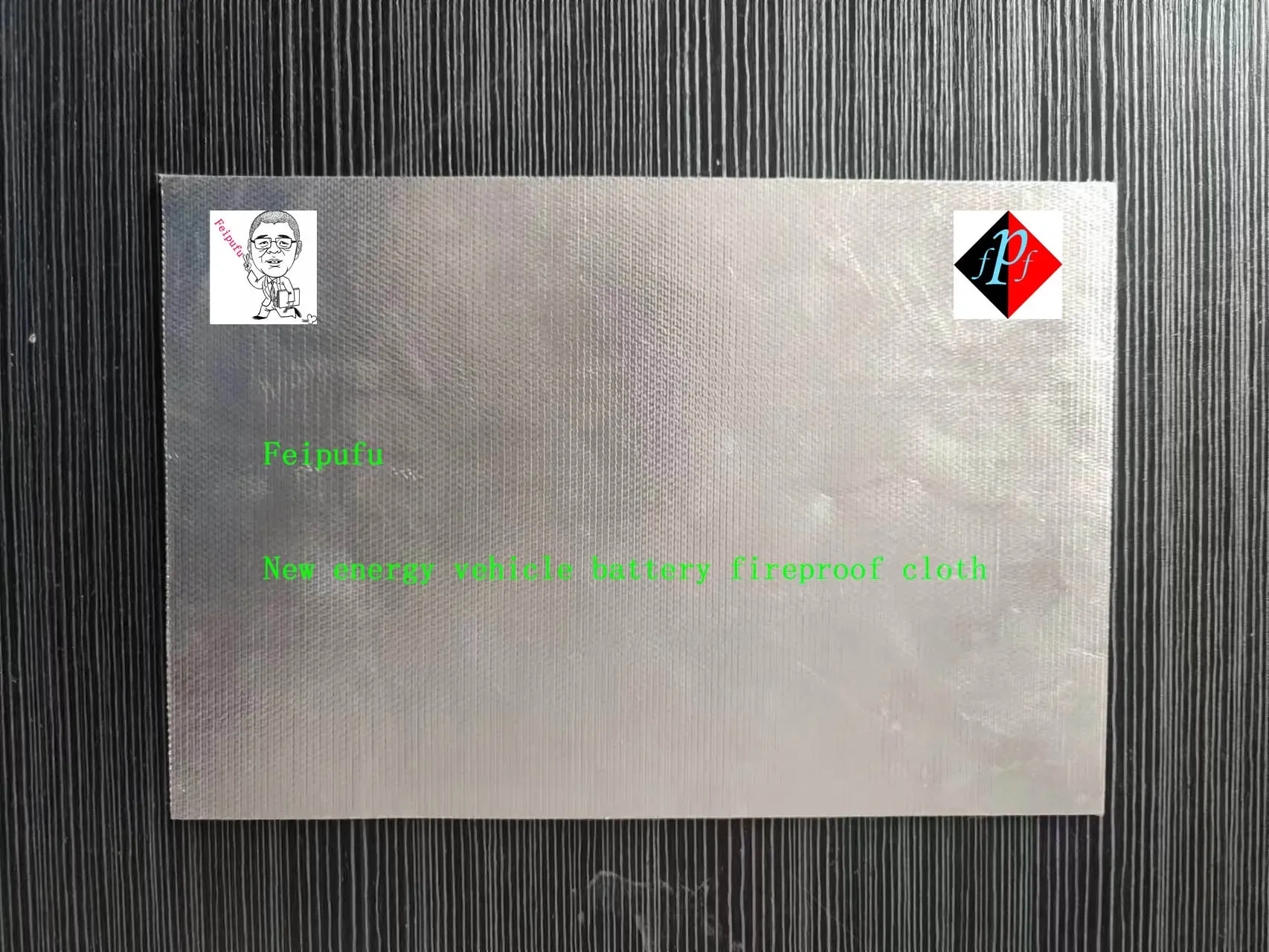
Fire-Retardant Cloth for New Energy Vehicle Batteries
Code prefix EBF
Fire-retardant cloth for new energy vehicle batteries is made from multi-layer inorganic refractory materials and provides thermal insulation, flame retardancy and thermal radiation blocking. Laid between cells, it reduces heat conduction from an overheated cell to its neighbours and balances the temperature inside the module; in a thermal runaway it covers the cell surface, blocks flames and slows heat transfer, slowing the spread of fire. Laid in key areas of the battery box, it reduces heat conduction to the passenger compartment and covers gaps to extend safe evacuation time.
- Continuous
- 1000°C
- 1832 °F
- Short peak
- 1260°C
- 2300 °F
- Construction
- Unreinforced
- EBF
Spec sheets are issued against the confirmed grade, with the test method named on the report.
01 — Product description
Between cells, in the pack and toward the cabin
Fire-retardant cloth for new energy vehicle batteries is made from multi-layer inorganic refractory materials and provides thermal insulation, flame retardancy and thermal radiation blocking. Laid between battery cells, it reduces heat conduction from an overheated cell to adjacent cells and balances the internal temperature of the module. In a thermal runaway it covers the cell surface, blocks flames and slows heat transfer, slowing the spread of fire.
Laid in key areas inside the battery box, the cloth reduces the conduction of battery operating heat to the passenger compartment. If a fire occurs inside the pack, it covers gaps and openings, blocks the spread of fire toward the cabin and extends the available evacuation time.
Product form and installation
The conventional form is roll material, which can be cut and processed into shapes to suit the pack structure. Hardness sits between a flexible fabric and a rigid board, so the sheet has both flexibility and stiffness and can be cut and assembled on site by hand.
Working condition suitability and restrictions
A passive protection material: it slows thermal runaway and blocks flame spread, but does not extinguish fire or terminate thermal runaway. Protection effectiveness depends on the installation process, the environment and the fire conditions. It suits dry static protection inside the pack and is not suitable for long-term water immersion, strong acid or alkali corrosion, continuous high-speed airflow erosion or severe mechanical impact.
Usage precautions
- Install according to the pack structural specification to ensure complete coverage and firm fitting; inadequate installation reduces protection.
- Assess and test suitability against the actual application so that use complies with industry and equipment safety standards.
- Inspect regularly and replace when damaged, carbonised or detached.
- All technical data are for reference; users should test suitability and follow relevant safety regulations.
02 — Characteristics
Cell-to-cell barrier
Reduces heat conduction from an overheated cell to adjacent cells and balances module temperature.
Flame blocking
Covers the cell surface in a thermal runaway, blocking flames and slowing heat transfer.
Cabin protection
Covers gaps and openings in the pack to slow fire spread toward the passenger compartment.
Semi-rigid sheet
Hardness between flexible fabric and rigid board, cut and assembled on site.
03 — Typical properties
Values typical, confirm against duty
| Test item | Value | Note |
|---|---|---|
| Material | Thermal insulation | |
| Form | Cut to pack dimensions | |
| Stiffness | Manually workable | |
| Function | Slows runaway spread |
04 — Standard sizes
| Product code | Dimensions |
|---|---|
| EBF-ROLL | Roll material, cut to pack structure |
| EBF-CUT | Pre-cut shapes to drawing |
| EBF-CUSTOM | Layered build to module design |
05 — Where it is used
- Between battery cells and modules
- Battery box internal barriers
- Gaps and openings in the pack
- Thermal isolation toward the cabin
- Battery pack fire protection
Service limits
- A passive protection material: it slows thermal runaway and blocks flame spread but does not extinguish fire or terminate thermal runaway.
- Protection effectiveness depends on installation, environment and fire conditions.
- Suitable for dry static conditions inside the pack: not for long-term water immersion, strong acid or alkali, high-speed airflow erosion or severe mechanical impact.
- Installation must follow the pack structure specification to ensure complete coverage and firm fitting; inadequate installation reduces performance.
Related materials
View family
Fire-Retardant Cloth for New Energy Vehicle Batteries
EBF